DC Teens Imagine the
Future They Want
An Arts, Culture, & Democracy Story
DC Teens Imagine the Future They Want
With the DC Public Library
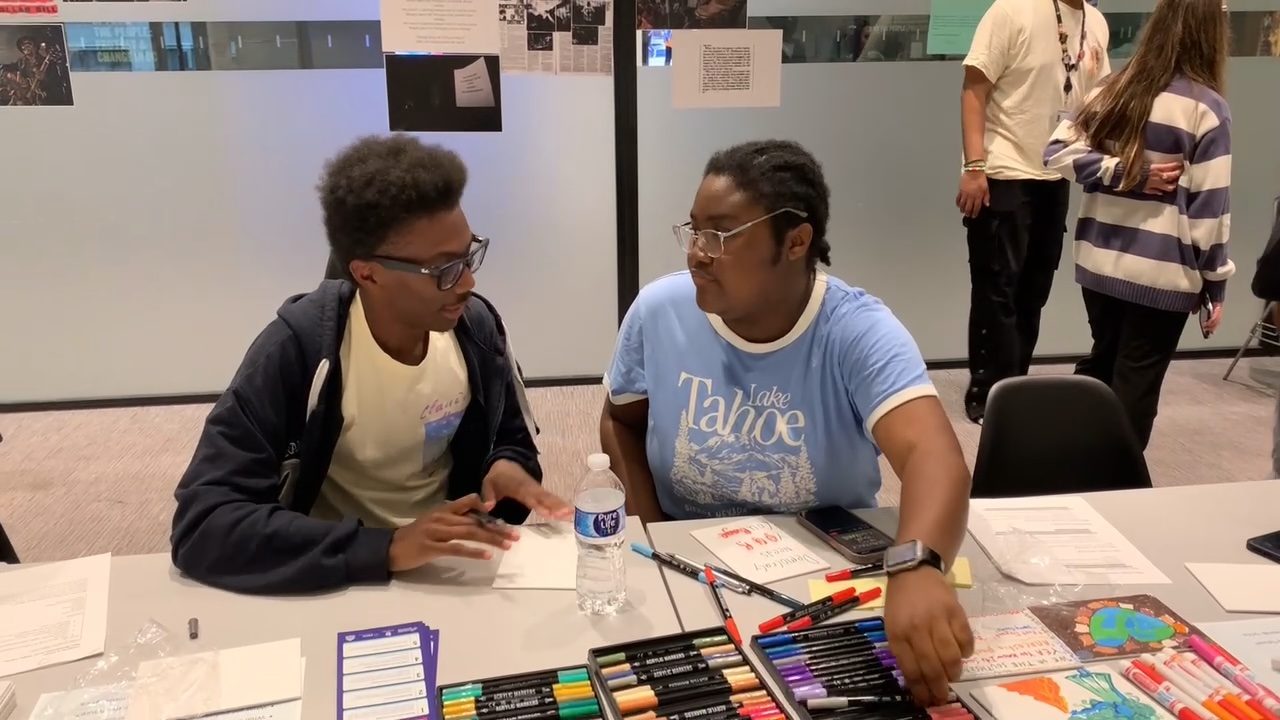
Amid a swirl of markers, music, and big ideas, teens gathered around a table—sketching, debating, and imagining the future they want for their city. But at one end, a young woman sat still, staring at a blank canvas.
The prompt in front of her felt huge: What future do you imagine for DC? And maybe even harder—what did that have to do with her life right now? With the things that frustrate her, that feel unfair, that show up in her day-to-day?
Finally, she spoke. "Boys don't be acting right."
It was honest. Direct. And at first, it didn't sound like "democracy."
But with a few thoughtful questions from Everyday Democracy and space to reflect, her idea began to grow. She talked about what she sees in her relationships with boys her age: lack of care, lack of seriousness, a kind of emotional distance. As the conversation deepened, she connected her personal experience to something bigger: patterns of isolation, pressure, and disconnection among young men, and how that shapes the way people treat each other.
Then, something shifted.
Instead of staying stuck in frustration, she began to imagine a different future where young men are more emotionally whole, where people show up for each other with care, and where relationships feel stronger and more real. On her canvas, she created a collage of a heart transforming from broken to healed.
In that moment, democracy became something tangible. Not just about abstract systems or institutions, but about how we relate to one another and how we can shape a better future together.
What started as a blank page full of uncertainty became a vision for a better future.
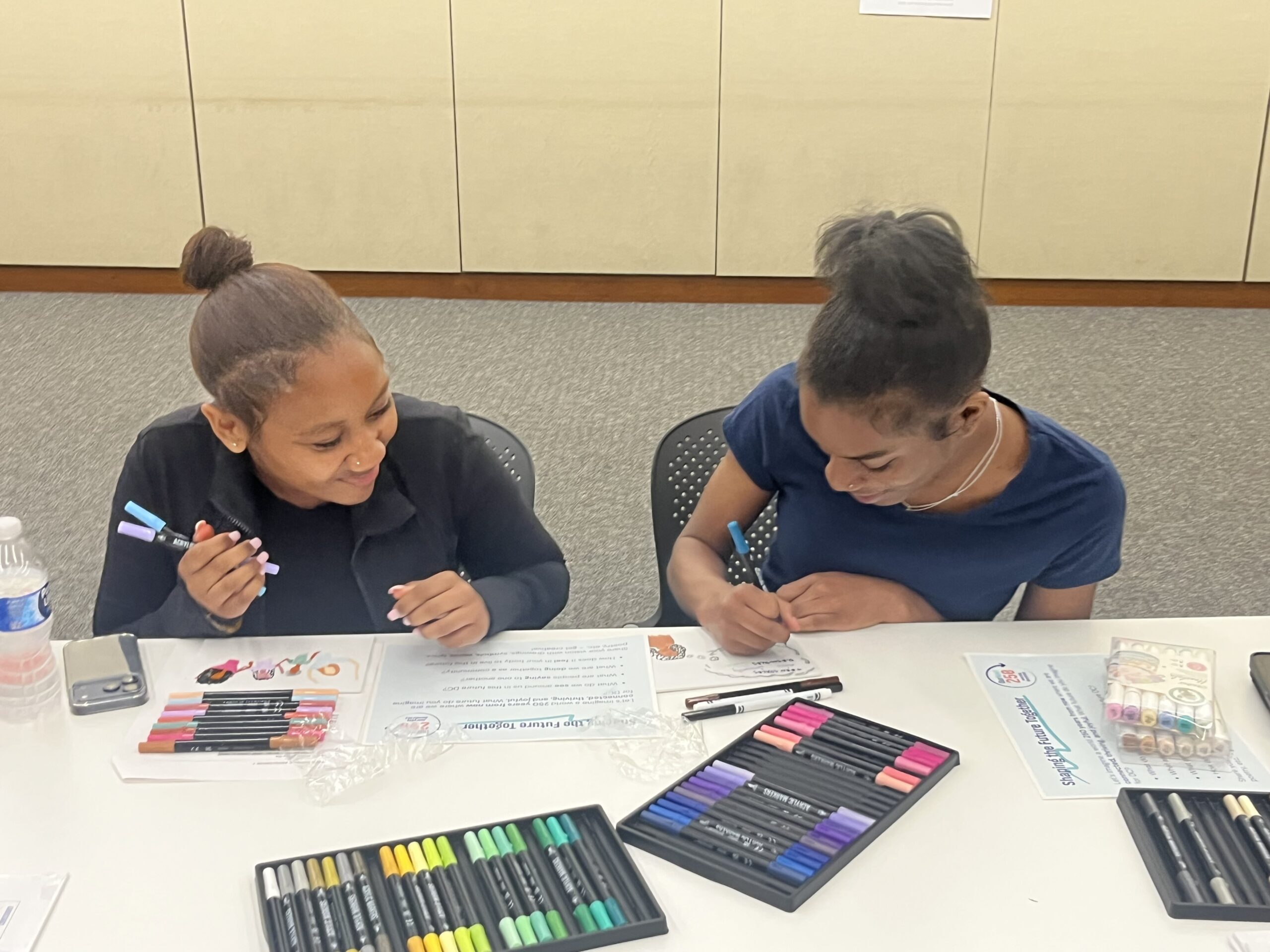
Teens discuss and sketch their visions for a better DC.
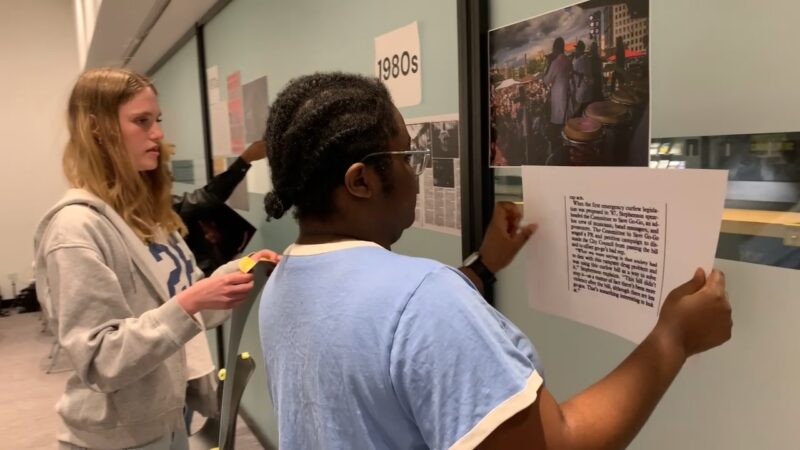
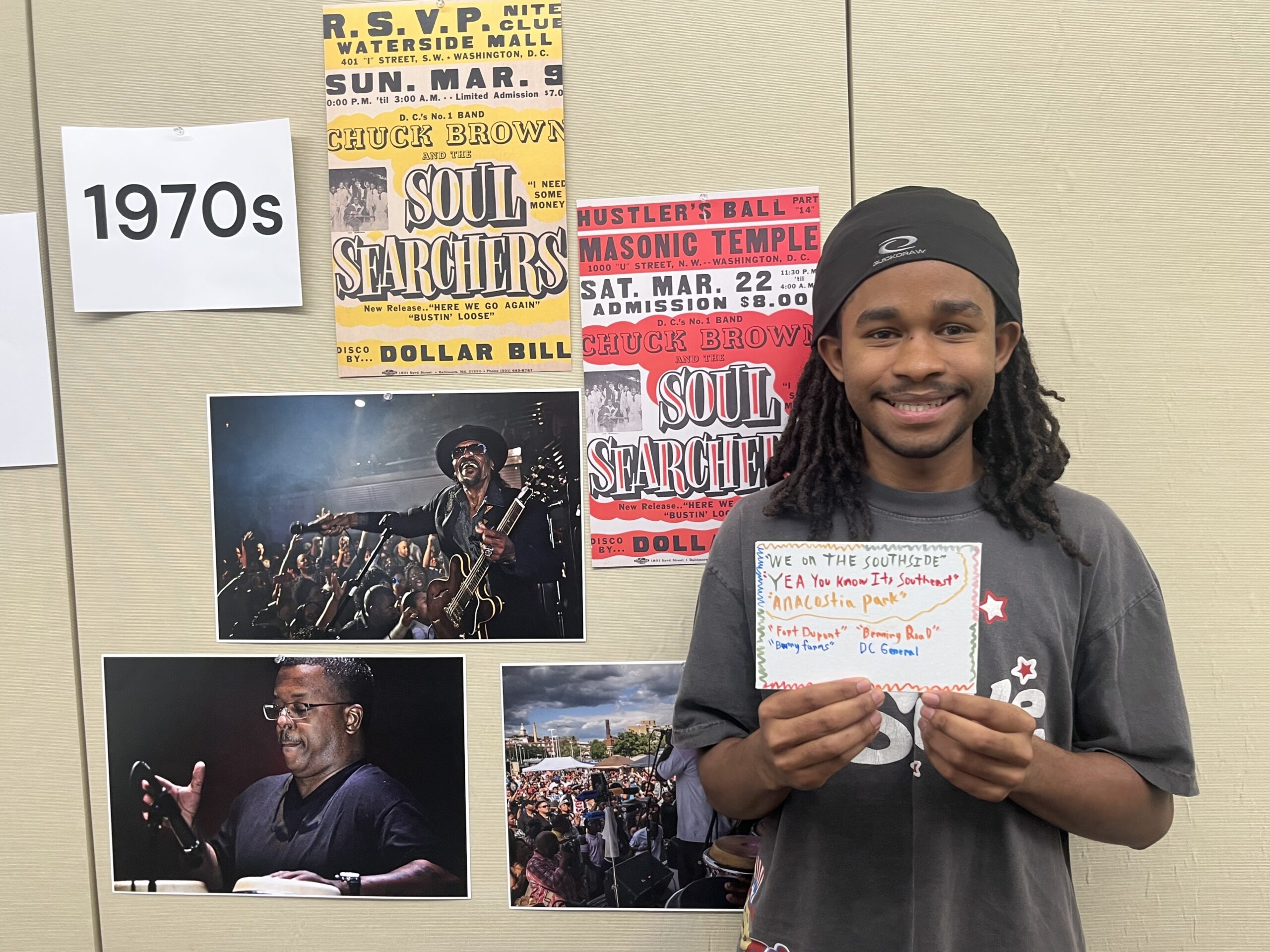
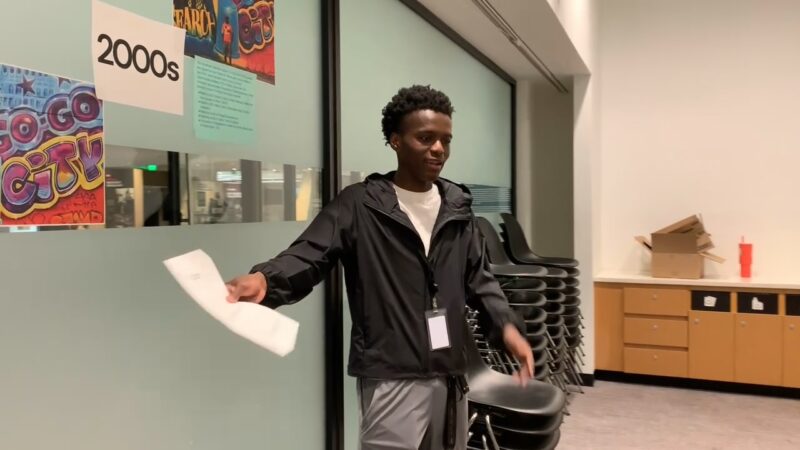
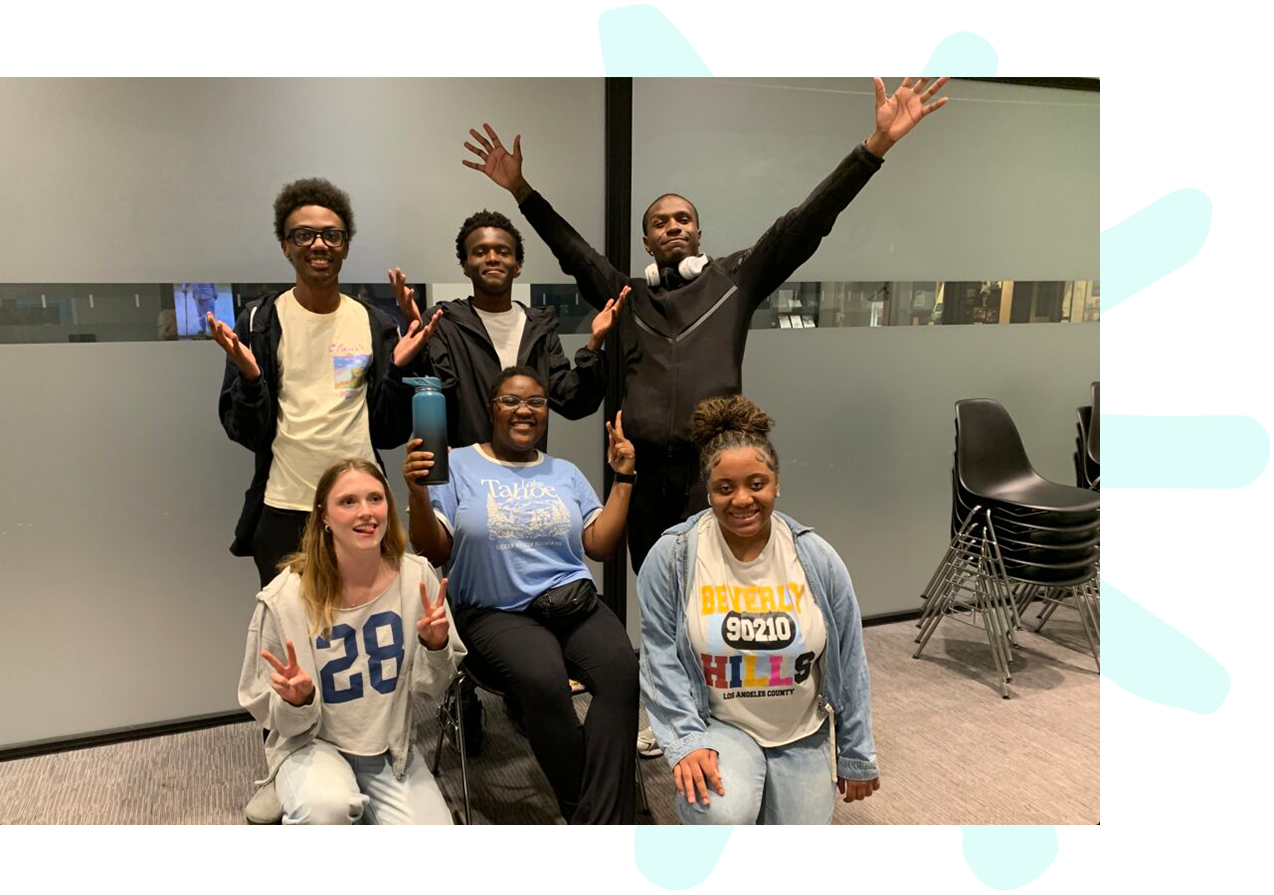
That moment didn’t happen in isolation. It was the final day of a five-week Arts, Culture, and Democracy Lab that Everyday Democracy designed to help young people connect their lived experiences to history, culture, and civic life. In partnership with DC Public Library’s Teen Council, the Lab engaged 20 teens who explored DC history through library archives, drew connections between past and present, created art inspired by their experiences and communities, and reflected together on the future they want to help shape. Everyday Democracy trained nine teens to lead conversations with their peers on DC history and go-go music, using archival materials to spark dialogue about culture, identity, and change.
Music became a particularly powerful bridge across generations. One teen facilitator shared lyrics from a 1980s go-go song about federal spending for military action and cuts to student loans—themes that rang relevant and true in 2026. The response from her peers was immediate. The past didn’t feel distant. It felt alive, relevant, and connected to the challenges young people are navigating today.
For many teens, the experience was as much about belonging as it was about learning. “My favorite part was just talking to people that I’ve never talked to before… and being able to invite my friends and spend time with them and talk about DC culture and what that means to different people,” one participant reflected.
Another said simply, “I actually feel like I belong… it feels like family.”
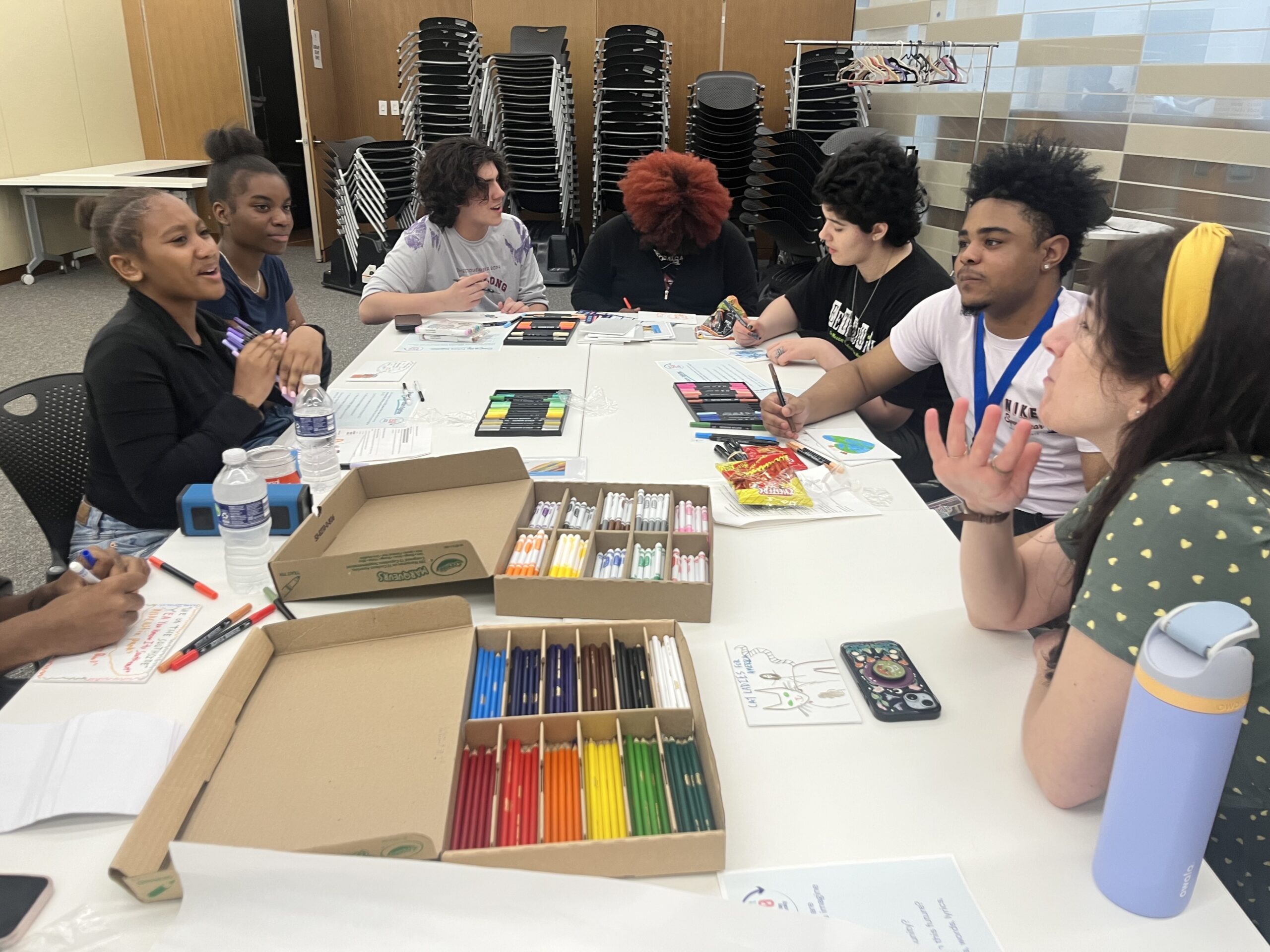
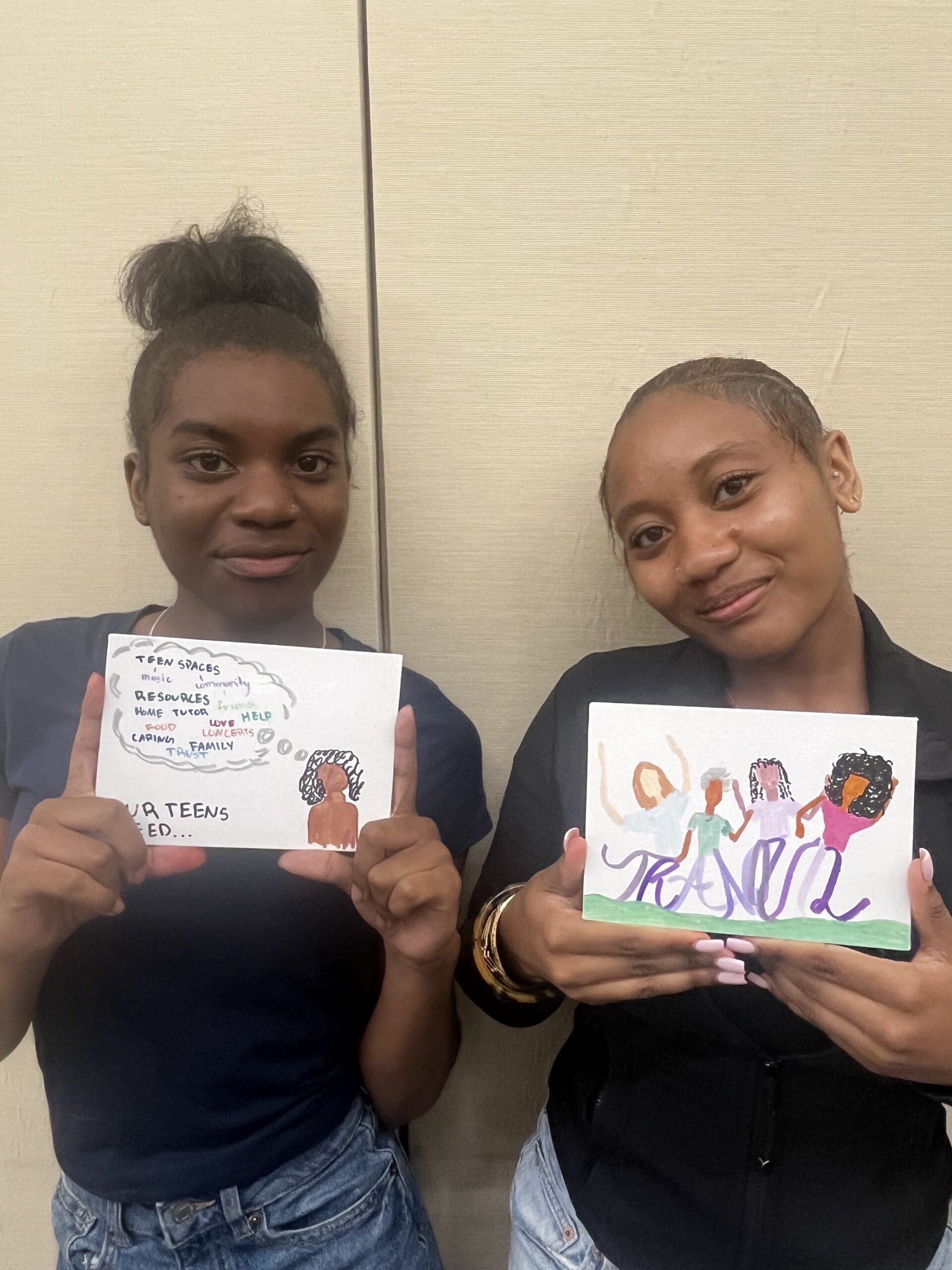
DC Teens discuss the future of their city, the changes they want to see, and the actions they can take.
Even those who started out quiet found themselves contributing to conversations and sharing ideas openly. Those leading the sessions discovered new confidence in their ability to guide others. As one teen facilitator put it, “Making people comfortable to share, that’s a really important part of facilitating that I learned.”
A key component of the Lab to help young people move from reflection and connection to imagination and action.
“I think the type of D.C. I want to see is one where kids can go outside and play without having to worry about it being dangerous,” one teen shared. He paused before adding, “The future that I want for DC is a DC that’s definitely safer. Of course, we still have our music… I’d like to see more go-go bands coming back.”
These visions held both safety and culture, honesty and hope. They reflected a generation thinking deeply about what it means to thrive—not just individually, but together. By the end of the day, bold, thoughtful, and deeply personal artwork covered the table. Around it, young people practiced something essential: naming what matters to them, listening to each other, and imagining what could be different.
That’s where democracy starts.
More Photos